
Introduction
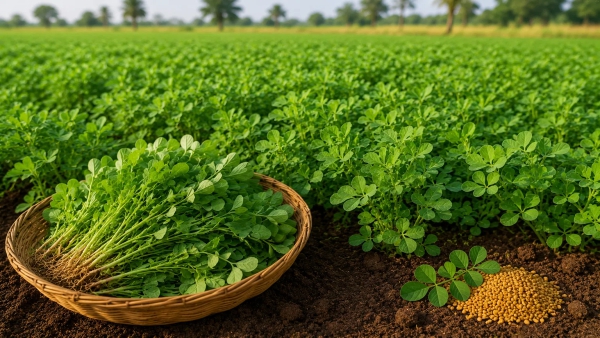
Winter is an excellent time to enjoy fresh, seasonal vegetables that support a balanced and healthy diet. Among the popular leafy greens in Indian households, methi, also known as fenugreek leaves, holds a special place. These aromatic green leaves have a distinctive, slightly bitter taste that enhances the flavour of many traditional dishes.
Methi leaves are valued in Indian cooking and traditional wellness practices for their nutritional properties. They can be added to everyday meals in simple ways, making them a useful choice for people who want to enjoy a varied and nutritious diet during the colder months.
Nutritional Value of Methi Leaves
Fresh fenugreek leaves contain several nutrients that contribute to overall health. They provide dietary fibre, vitamins, minerals, and plant-based compounds that can complement a balanced eating pattern.
Their nutritional profile includes:
- Vitamins: Methi leaves provide vitamin C, folate, and other vitamins in varying amounts.
- Minerals: They contain minerals such as iron, calcium, potassium, magnesium, and phosphorus.
- Dietary fibre: Fibre supports healthy digestion and may help promote a feeling of fullness.
- Plant compounds: Fenugreek contains naturally occurring antioxidants and other beneficial plant substances.
The nutritional content can vary depending on growing conditions, freshness, and preparation methods. Fresh leaves and fenugreek seeds have different nutritional profiles, so their benefits should not be considered identical.
Potential Health Benefits of Methi Leaves
1. May Support Weight Management
Methi leaves can be a helpful addition to a balanced weight-management diet. Their fibre content may contribute to fullness, helping people feel satisfied after meals. When prepared with moderate amounts of oil and salt, methi-based dishes can provide flavour and nutrients without adding excessive calories.
However, sustainable weight management also depends on overall eating habits, physical activity, sleep, and other lifestyle factors.
2. Supports Digestive Health
Dietary fibre helps maintain regular bowel movements and supports normal digestive function. Adding methi leaves to vegetables, lentils, and whole-grain dishes can increase the variety of fibre-rich foods in the diet.
People who are not accustomed to eating much fibre can increase their intake gradually and drink enough water to support digestion.
3. May Contribute to Heart Health
A balanced diet rich in vegetables, fruits, whole grains, and legumes can support cardiovascular health. Methi leaves can form part of this eating pattern by providing fibre and beneficial plant compounds.
Some research on fenugreek seeds and supplements suggests possible effects on cholesterol levels. However, evidence specifically examining fresh leaves is limited. Methi should not replace prescribed cholesterol-lowering medicines or other recommended treatments.
4. May Help Support Healthy Blood Sugar Levels
Fenugreek seeds have been studied for their potential effects on blood glucose regulation. Research findings are promising in some areas, but evidence varies, and the effects of fresh leaves are less clearly established.
People living with diabetes can enjoy methi as part of balanced meals. They should continue monitoring their blood glucose and following their healthcare professional’s advice. Fenugreek supplements may interact with diabetes medicines and should be discussed with a qualified professional before use.
5. Supports General Skin Health
A nutritious diet helps maintain normal skin function. Methi leaves provide vitamins and plant compounds that contribute to overall nutritional health. However, eating these leaves alone cannot guarantee clearer skin, prevent wrinkles, or reverse ageing.
Adequate hydration, sun protection, sleep, and suitable skincare also support healthy-looking skin.
Easy Ways to Enjoy Methi Leaves in Winter
Methi is versatile and easy to prepare in everyday meals.
- Methi paratha: Mix finely chopped leaves into whole-wheat flour with spices and prepare flatbreads.
- Aloo methi: Cook fresh methi leaves with potatoes, cumin, garlic, and mild spices.
- Methi dal: Add chopped leaves to lentils for a nutritious, flavourful meal.
- Methi soup: Simmer the leaves with onions, tomatoes, and black pepper for a warming winter dish.
- Methi salad: Combine tender leaves with suitable vegetables, lemon juice, and light seasoning.
- Methi pakoras: Prepare these occasional snacks using fresh leaves, gram flour, and spices. Baking or using less oil can make them a lighter option.
6. Potential Sexual Health Benefits of Methi Leaves
Methi leaves provide vitamins, minerals, and plant-based nutrients that contribute to overall health and well-being. Good nutrition, along with regular physical activity and adequate sleep, can help support energy levels and general vitality, which are important aspects of a healthy lifestyle.
Fenugreek seeds have been studied for their possible effects on sexual well-being, but scientific evidence remains limited, and the findings cannot be directly applied to fresh methi leaves. There is currently insufficient evidence to confirm that eating methi leaves directly improves libido, testosterone levels, erectile function, or fertility.
Methi leaves can be enjoyed as part of a balanced diet. However, people experiencing persistent sexual health concerns should consult a qualified healthcare professional to identify possible underlying causes and receive appropriate guidance. Herbal products should be selected carefully, as their quality and effects may vary.
Final Thoughts
Methi leaves are a flavourful seasonal vegetable that can add variety, fibre, vitamins, minerals, and beneficial plant compounds to winter meals. Enjoy them as part of a balanced diet, choose fresh and clean produce, and wash the leaves thoroughly before cooking.
Traditional foods and herbal ingredients can support general well-being, but they are not guaranteed cures for medical conditions. For persistent symptoms or concerns about diabetes, cholesterol, or other health problems, seek appropriate medical advice. A balanced approach that combines nutritious foods with necessary healthcare offers a practical foundation for long-term wellness.
About Hashmi Dawakhana
Hashmi Dawakhana is located at Qazi Zada Street, Amroha–244221, Uttar Pradesh, India. It provides care for a range of men’s and women’s health concerns, including sexual and reproductive health, diabetes, general health, and immunity-related issues. Special care is provided for concerns such as premature ejaculation, difficulty with erection, sexual weakness, reduced libido, women’s intimate health problems, and difficulties related to conception.
Patients who have not experienced relief even after seeking treatment from several places can visit Hashmi Dawakhana for better guidance and treatment. You can visit the clinic to obtain medicines or take advantage of the facility to order medicines online from home. Ayurvedic and Unani medicines are available and are prepared with good quality standards and scientific methods.
Health Consultation:
Looking for trusted health guidance? Call or WhatsApp at this number +91-9058577992 today for a FREE consultation with our health doctors. Your privacy, dignity, and well-being are our priority.

Leave a Reply
You must be logged in to post a comment.