

Introduction
HIV (Human Immunodeficiency Virus) affects the immune system and makes it harder for the body to fight infections. If left untreated, HIV can progress to AIDS (Acquired Immunodeficiency Syndrome), the most advanced stage of HIV infection. However, with early diagnosis and effective treatment, people living with HIV can lead long, healthy lives.
HIV prevention begins with understanding how the virus spreads and taking appropriate precautions. Whether you are protecting your own health, planning a family, or supporting a partner, these eight steps can help reduce the risk of infection.
1. Understand How HIV Spreads
HIV can spread through certain body fluids, including blood, semen, vaginal fluids, rectal fluids, and breast milk. Common routes of transmission include unprotected sexual contact, sharing needles or syringes, and transmission from mother to child during pregnancy, childbirth, or breastfeeding.
HIV does not spread through hugging, shaking hands, sharing food, using the same toilet, or mosquito bites. Understanding these facts helps prevent both infection and unnecessary fear or discrimination.
2. Ask a Healthcare Professional About PrEP
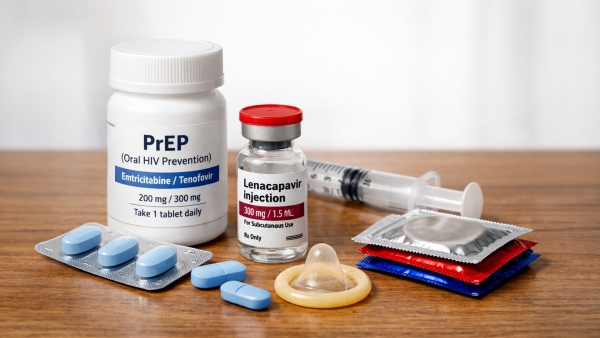
Pre-exposure prophylaxis (PrEP) is a preventive medicine for people who may be at increased risk of HIV. When taken as prescribed, oral PrEP can reduce the risk of acquiring HIV through sexual contact by about 99%.
Long-acting injectable PrEP is also available in some settings. A healthcare professional can explain the suitable options, eligibility requirements, and follow-up testing needed to use PrEP safely.
3. Never Share Needles or Syringes
Sharing needles, syringes, or other injection equipment can expose a person to HIV and other blood-borne infections, including hepatitis C.
Always use sterile, single-use injection equipment and never share equipment that may contain blood. If you need injections as part of medical care, ensure that appropriate hygiene and safety procedures are followed.
4. Use Condoms Correctly
Using condoms consistently and correctly helps reduce the risk of HIV and several other sexually transmitted infections (STIs). Condoms can also help prevent unintended pregnancy.
Choose suitable condoms, check their expiry dates, and use them according to the instructions. Water-based or silicone-based lubricants can help reduce friction and the risk of condom breakage. Regular STI testing is also helpful, especially when a person has new or multiple partners.
5. Plan Pregnancy With Appropriate Medical Guidance
Couples in which one partner has HIV and the other does not can often plan a pregnancy with appropriate medical care. Effective HIV treatment can lower the viral load to an undetectable level, greatly reducing the risk of sexual transmission.
A healthcare professional can advise on HIV testing, treatment, PrEP for the HIV-negative partner when appropriate, and safer conception options. Individual guidance is particularly important when planning pregnancy.
6. Reduce the Risk of Mother-to-Child Transmission
HIV can pass from a mother to her child during pregnancy, childbirth, or breastfeeding. However, appropriate treatment and medical monitoring can substantially reduce this risk.
HIV testing during pregnancy, timely antiretroviral treatment, and follow-up care for the baby are important preventive measures. Decisions about infant feeding should follow local medical guidance and the mother’s individual circumstances.
7. Seek PEP After Possible Exposure
Post-exposure prophylaxis (PEP) is emergency medicine used after a possible HIV exposure. It should be started as soon as possible and no later than 72 hours after exposure. Treatment usually continues for 28 days.
If you think you may have been exposed to HIV through sexual contact, a needle injury, or another possible route, seek urgent medical attention. Do not wait for symptoms to appear before asking about PEP.
8. Maintain an Undetectable Viral Load
People living with HIV can take antiretroviral therapy (ART) to control the virus. With consistent treatment and regular monitoring, many achieve an undetectable viral load.
The principle known as U=U (Undetectable = Untransmittable) means that a person who maintains an undetectable viral load through treatment does not transmit HIV through sexual contact. Continuing treatment and attending follow-up appointments help maintain this benefit.
Conclusion
Preventing HIV involves awareness, safer practices, timely testing, and access to effective medical care. PrEP, condoms, sterile injection equipment, PEP, and appropriate HIV treatment can all play important roles in reducing transmission.
HIV is a manageable health condition with modern treatment, and people living with the virus deserve respectful, supportive care. If you have concerns about possible exposure or your HIV status, consult a qualified healthcare professional for testing and guidance.
About Hashmi Dawakhana
Hashmi Dawakhana is located at Qazi Zada Street, Amroha–244221, Uttar Pradesh, India. It provides care for a range of men’s and women’s health concerns, including sexual and reproductive health, diabetes, general health, and immunity-related issues. Special care is provided for concerns such as premature ejaculation, difficulty with erection, sexual weakness, reduced libido, women’s intimate health problems, and difficulties related to conception.
Patients who have not experienced relief even after seeking treatment from several places can visit Hashmi Dawakhana for better guidance and treatment. You can visit the clinic to obtain medicines or take advantage of the facility to order medicines online from home. Ayurvedic and Unani medicines are available and are prepared with good quality standards and scientific methods.
Health Consultation:
Looking for trusted health guidance? Call or WhatsApp at this number +91-9058577992 today for a FREE consultation with our health doctors. Your privacy, dignity, and well-being are our priority.

Leave a Reply
You must be logged in to post a comment.