
Introduction
A urinary tract infection (UTI) is a common health condition that affects the urinary system, including the bladder, urethra, ureters, and kidneys. Women are more likely to develop UTIs than men, although people of all ages and genders can experience them. Early recognition and appropriate treatment can help prevent discomfort and reduce the risk of complications.
Natural remedies, healthy dietary habits, and traditional systems such as Ayurveda and Unani medicine may support general urinary health. However, suspected infections should be assessed by a qualified healthcare professional to determine the appropriate treatment.
What Causes a Urinary Tract Infection?
Most UTIs occur when bacteria, particularly Escherichia coli (E. coli), enter the urinary tract through the urethra and multiply. These bacteria commonly live in the digestive tract and may reach the urinary opening.
Several factors can increase the risk of developing a UTI, including sexual activity, pregnancy, menopause, kidney stones, difficulty emptying the bladder, and certain medical conditions. Women have a higher risk because their urethra is shorter, making it easier for bacteria to reach the bladder.
UTIs are not classified as sexually transmitted infections, although sexual activity can increase the likelihood of developing one.
Common Symptoms of UTI
UTI symptoms can vary depending on the affected part of the urinary system. Common signs include:
- A burning or stinging sensation during urination.
- Frequent urination, often in small amounts.
- A strong, persistent urge to urinate.
- Cloudy or unusually strong-smelling urine.
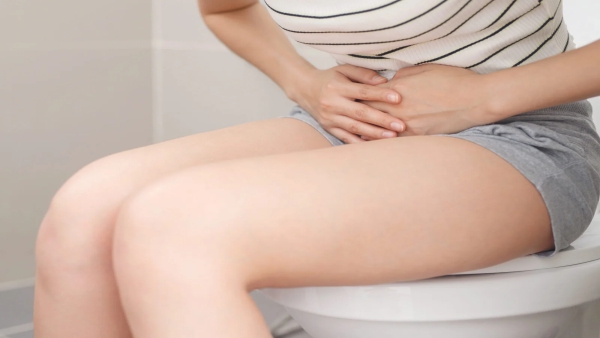
- Pain or discomfort in the lower abdomen.
- Blood in the urine, which may appear pink, red, or brown.
- General tiredness or discomfort.
Fever, chills, pain in the back or side, nausea, or vomiting may indicate a kidney infection and require urgent medical assessment. Pregnant women and people with significant underlying health conditions should seek prompt professional advice if a UTI is suspected.
Treatment and Medical Care
Some mild urinary symptoms may improve without treatment, but bacterial UTIs often require antibiotics. It is important not to assume that an infection will disappear on its own. A healthcare professional may recommend a urine test or culture to identify the bacteria and guide treatment.
Take prescribed antibiotics exactly as directed, and do not stop early without medical advice. Repeated infections may require further investigation or a different treatment plan.
Drinking water regularly can help maintain hydration and support normal urinary function. However, water alone cannot reliably eliminate an established bacterial infection.
Natural Remedies and Healthy Lifestyle Habits
Simple home practices can support comfort and overall urinary health alongside appropriate medical care.
- Drink enough water: Regular hydration supports urine production and helps flush the urinary tract.
- Choose nutritious foods: Fresh fruits, vegetables, and balanced meals provide vitamins, minerals, and other nutrients that support general health.
- Consider cranberry products: Unsweetened cranberry juice or suitable cranberry supplements may help reduce recurrent UTIs in some people. They do not treat an active infection, and benefits vary.
- Use gentle personal care: Avoid scented intimate sprays and irritating hygiene products.
- Maintain suitable clothing habits: Breathable cotton underwear and comfortable clothing can help reduce moisture and irritation.
- Explore traditional wellness responsibly: Ayurveda and Unani medicine offer herbal preparations that may support general well-being. Choose genuine, quality-tested products from reliable sources, and consult a qualified practitioner before use, particularly during pregnancy or when taking other medicines.
Herbal products are not guaranteed cures for UTIs. Some ingredients may interact with medicines or affect kidney function, so professional guidance is advisable.
Prevention Tips
To help reduce the risk of UTIs, drink adequate fluids, urinate when needed, and consider urinating after sexual activity. Women should wipe from front to back after using the toilet. Gentle washing before and after sex may support hygiene, while avoiding harsh cleansers can help protect sensitive skin.
If UTIs occur repeatedly, consult a healthcare professional to identify possible causes and discuss suitable preventive options.
Final Thoughts
UTIs are common but should not be ignored. Recognizing symptoms early, maintaining healthy habits, and seeking appropriate medical care can help protect urinary health. Natural drinks, nutritious foods, and carefully selected traditional herbal products may complement a healthy lifestyle, but they should never replace necessary treatment for an active infection.
About Hashmi Dawakhana
Hashmi Dawakhana is located at Qazi Zada Street, Amroha–244221, Uttar Pradesh, India. It provides care for a range of men’s and women’s health concerns, including sexual and reproductive health, diabetes, general health, and immunity-related issues. Special care is provided for concerns such as premature ejaculation, difficulty with erection, sexual weakness, reduced libido, women’s intimate health problems, and difficulties related to conception.
Patients who have not experienced relief even after seeking treatment from several places can visit Hashmi Dawakhana for better guidance and treatment. You can visit the clinic to obtain medicines or take advantage of the facility to order medicines online from home. Ayurvedic and Unani medicines are available and are prepared with good quality standards and scientific methods.
Health Consultation:
Looking for trusted health guidance? Call or WhatsApp at this number +91-9058577992 today for a FREE consultation with our health doctors. Your privacy, dignity, and well-being are our priority.

Leave a Reply
You must be logged in to post a comment.